 Fieldco LtdFieldco Ltd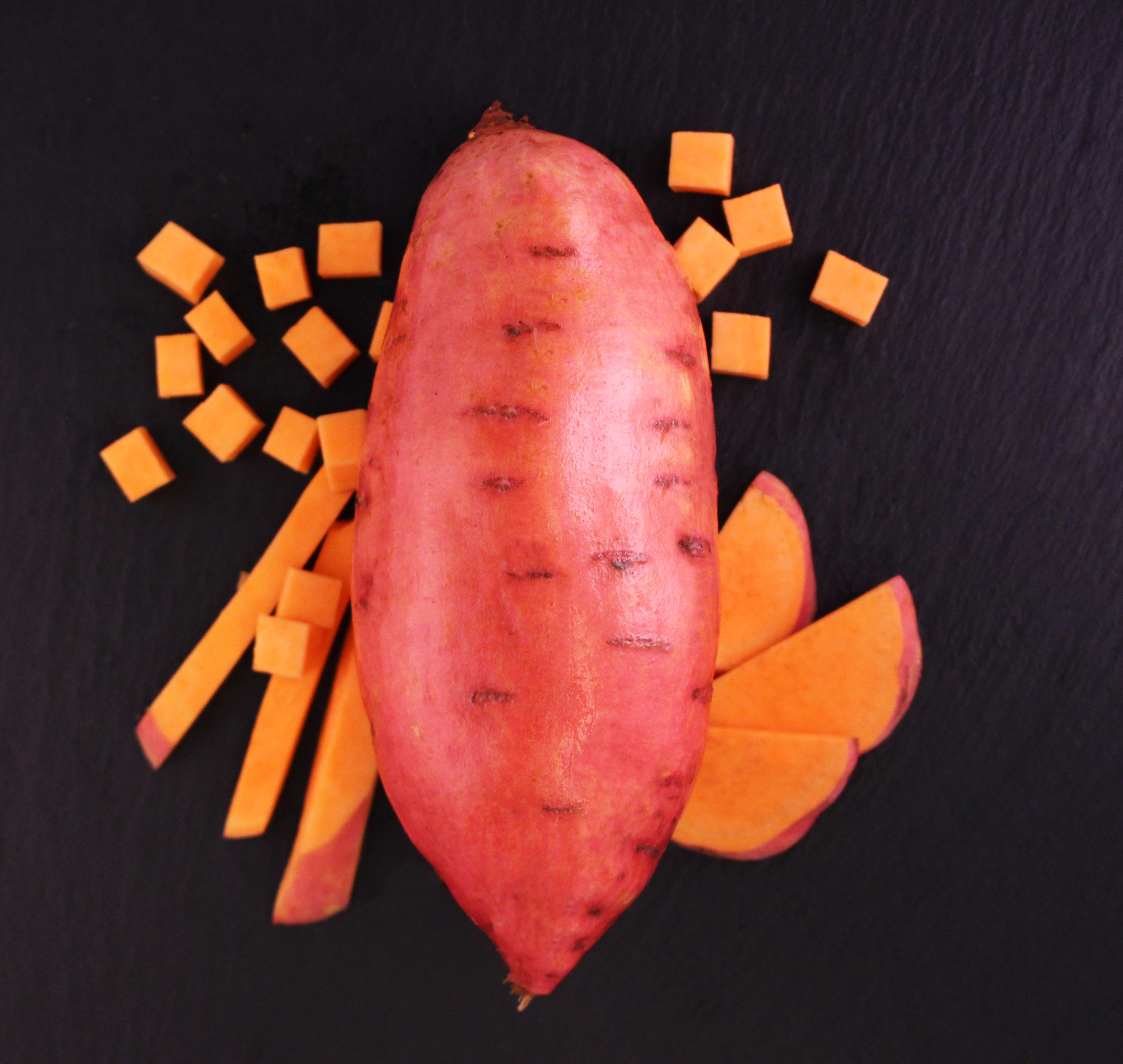
These are commonly enjoyed as ‘sweet potato’ in many countries. It’s rich orange skin and sweet orange flesh makes it a colourful vegetable and a likely candidate for many sweet recipes.
Beauregard is softer in texture compared to the Original Red and has a faster cooking time. Its soft texture means it is best suited to use for a mash or as a potato or pumpkin substitute in any dish.
It is the sweetest tasting of all the kumara varieties.
How to use Orange Kumara
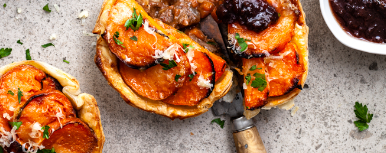
Roast: Great for wedges/cubes – consistent caramelisation and colour. Add to bento or protein bowls
Mash: Smooth texture for sides, pies, and shepherd’s/cottage pies
Soups & purees: Sweet flavour base with strong colour
Meal prep: Holds well for reheating when cooked correctly
Tip for kitchens: Orange kumara typically cooks best straight through (no par-boil needed). Try slicing into rounds, skin-on, with a herb salt for a quick but effective roast vegetable side!
FAQ Section:
What’s Orange Kumara best used for?
Orange kumara is ideal for roasting, mashing, soups, wedges, and everyday sides thanks to its sweet flavour and consistent cook performance.
Does Orange Kumara need par-boiling before roasting?
Usually No. Orange kumara generally roasts well when cooked straight through so it doesn’t fall apart when cooking. Cut evenly, oil lightly, and roast until tender.
Is Orange Kumara suitable for aged care menus?
Yes. It’s familiar, naturally sweet and nutritious, and works well in mash, soups, and soft side dishes
Is availability seasonal?
Kumara is a seasonal crop, where we typically harvest in March – May each year. At Fieldco kumara is available all year round, though volumes typically are smaller around January and February.
Available in 10kg cardboard cartons or returnable Loscam Crates
Enquire at your nearest wholesale market or foodservice distributor.