
Celebrating the Great Kiwi Kūmara with Dish
Kūmara is more than just a vegetable in Aotearoa New Zealand. It has deep cultural and historical significance and has been an important part of the country’s food story for generations.

To celebrate one of New Zealand’s most loved and versatile vegetables, Fieldco has partnered with Dish and Kin & Crop to bring you The Great Kiwi Kūmara Collection—a selection of delicious kūmara recipes to enjoy throughout winter and beyond.
The history of kūmara in New Zealand
The Polynesian ancestors of Māori brought kūmara to Aotearoa in the 13th century. Different iwi have their own traditions about its arrival, including stories of the ancestors who protected kūmara during the long journey to New Zealand and established the first gardens.
The early varieties were smaller than many of the commercial kūmara varieties grown today. Māori developed highly skilled growing and storage techniques to help the tropical crop thrive in New Zealand’s cooler climate.
Kūmara was planted in carefully prepared gardens, particularly in the warmer northern regions of the country. Once harvested, it could be stored in specially designed storage pits known as rua kūmara, helping provide a dependable source of food across the seasons.
Its nutritional value, versatility and ability to be stored for extended periods made kūmara an important staple in traditional Māori diets.
Discover the Great Kiwi Kūmara Collection
With the cooler months here, it is the perfect time to put more New Zealand-grown kūmara on the menu.
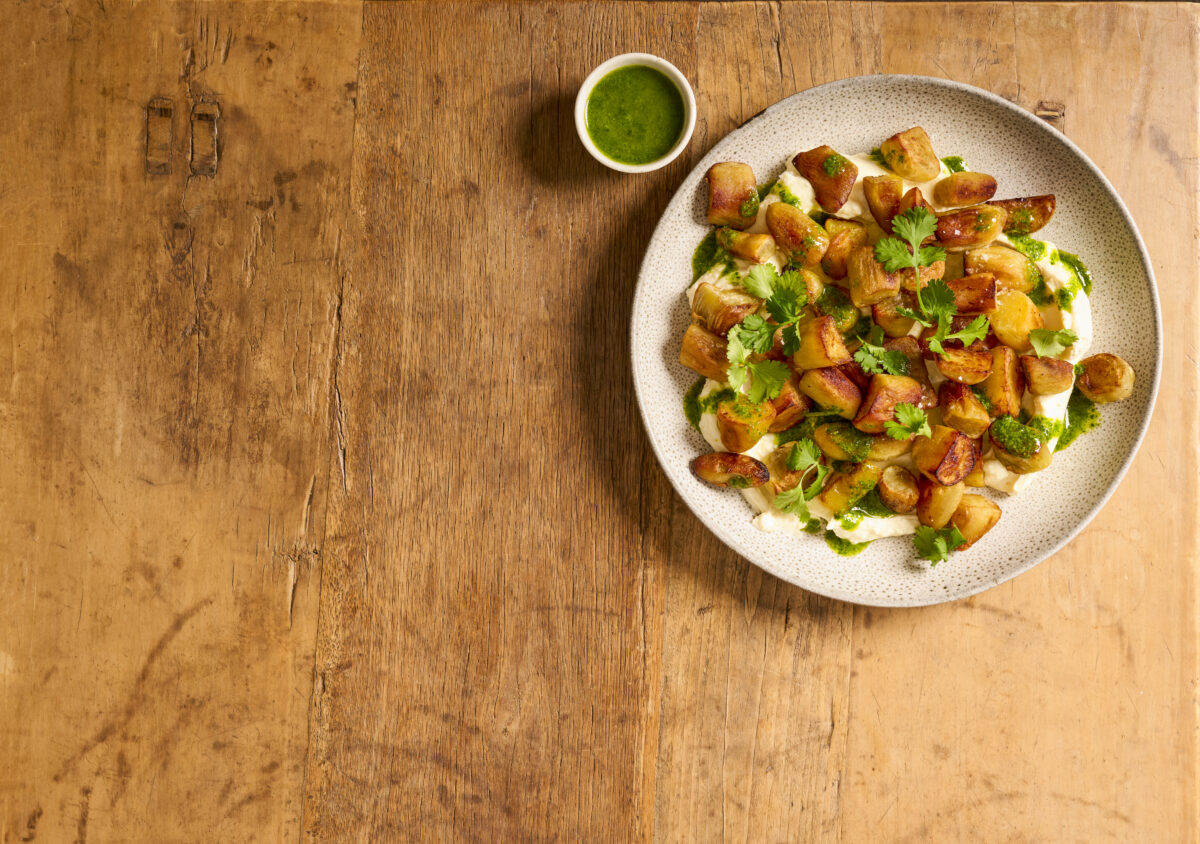
Created in partnership with Dish and Kin & Crop, The Great Kiwi Kūmara Collection brings together our collaboration on our Kumara Yummo’s and Whipped Ricotta and Lime and Coriander Dressing Recipe, along with some of Dish’s top kūmara recipes. The collection showcases just how versatile kūmara can be, with options for weeknight dinners, comforting family meals, colourful sides and even baking.
Recipe inspiration includes:
- Lamb cutlets with roasted kūmara chunks
- Potato and kūmara gratin
- Crispy kūmara fritters
- Kūmara and carrot cake
- Soups, pies, salads and vegetarian meals
Whether roasted until golden, mashed into a comforting topping, grated into fritters or incorporated into baking, kūmara can add natural sweetness, colour and substance to a wide range of dishes.
Why cook with kūmara?
Kūmara is an easy ingredient to incorporate into everyday meals. Its naturally sweet flavour works across both savoury and sweet recipes, while the different varieties offer a choice of colours, flavours and textures.
Use kūmara to:
- Add colour and substance to winter meals
- Create warming soups, pies and gratins
- Make roasted sides for meat or vegetable dishes
- Add natural sweetness to cakes and baking
- Build satisfying vegetarian meals
- Put a fresh spin on familiar family favourites
Find your next favourite kūmara recipe
From roasted kūmara and hearty gratins to tasty fritters and kūmara cakes, there is something in the collection for every table.
Explore The Great Kiwi Kūmara Collection from Dish and discover more delicious ways to enjoy New Zealand-grown kūmara this winter.
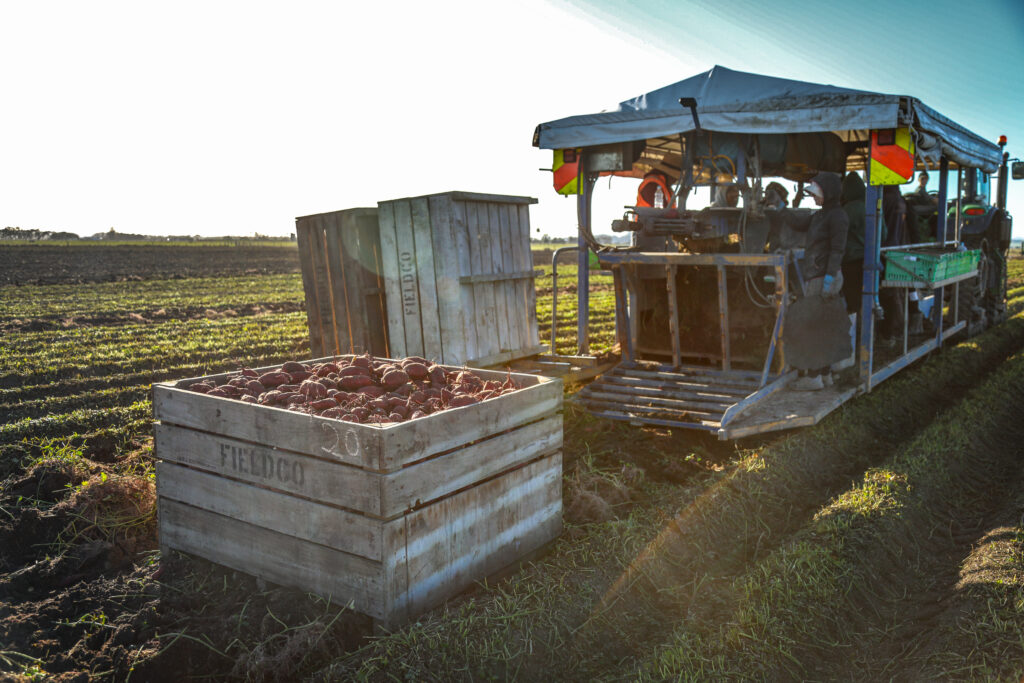
At Fieldco, we take the utmost care to bring you the best tasting kumara in the country. Our kūmara is handpicked because the skin is delicate and can scrape easily during harvest and any damage to the skin affects the integrity of the kumara as its stored over the rest of the year.
Support our humble hero, the kumara!
Want to get the recipe of our Kumara Yummo’s with Whipped Ricotta and Lime & Coriander Dressing? View here
Frequently asked questions
What is kūmara?
Kūmara is the Māori name for Sweet Potato and what it is most commonly referred to in New Zealand. We also have a couple of national varieties, such as the Owairaka and Tokatoka Gold that are native to New Zealand. It has been grown in New Zealand for centuries and remains a popular ingredient in Kiwi kitchens.
How can kūmara be cooked?
Every kumara variety has to be cooked differently, to make the flavour sing! You can check out more on this here. Kūmara can be roasted, baked, boiled, mashed, fried or added to soups, curries, salads, pies and baking.
What meals can I make with kūmara?
Kumara is such a versatile vegetable, that can be used in so many more ways than just roasted! Popular options include kūmara gratin, fritters or small pancakes (a great option if you have little ones!), soups, salads, pies, curries and kūmara cakes.